

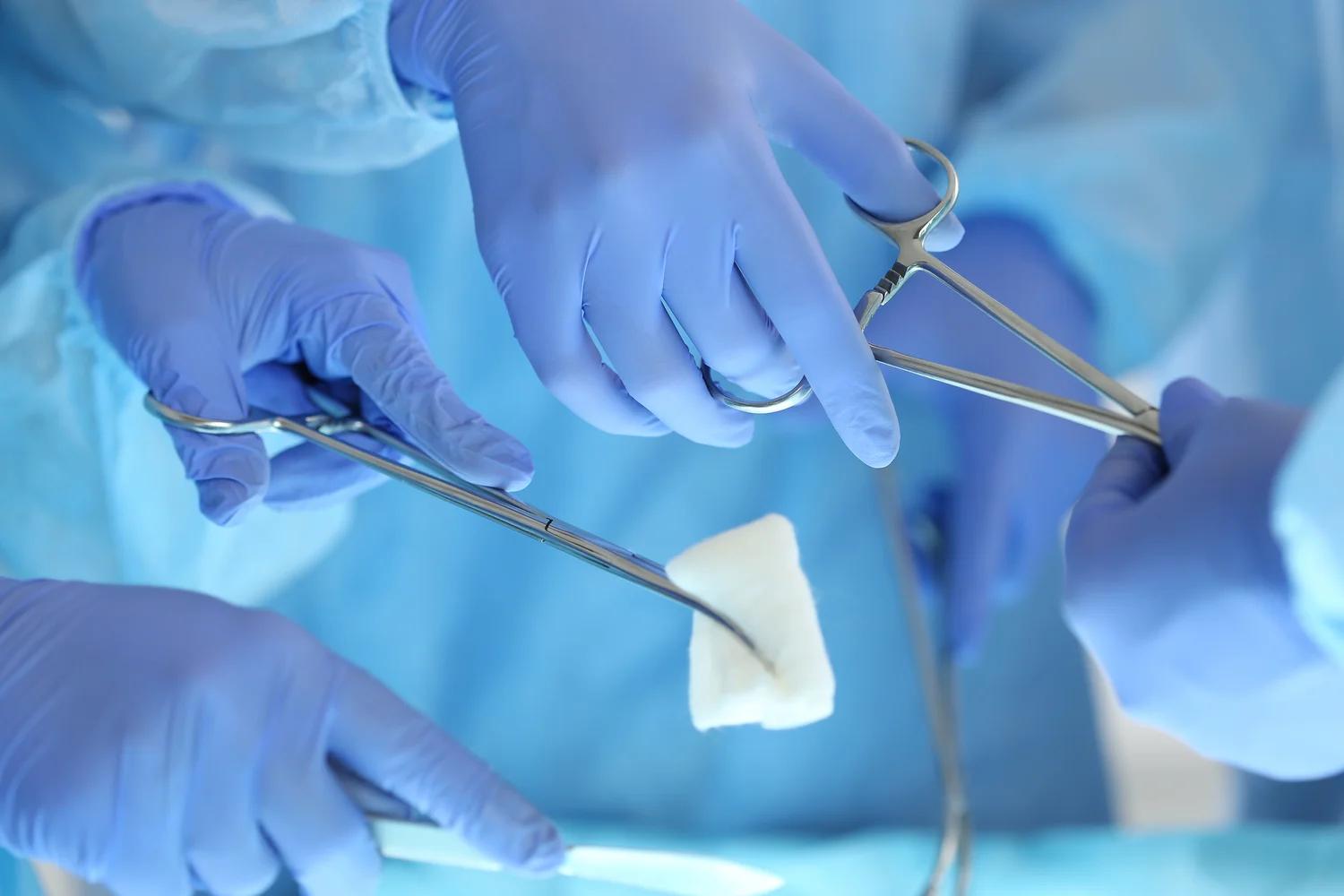
Advanced Kidney Stone Surgery at NG Urology and Kidney Specialty Hospital
Kidney and urinary tract stones are a common health problem that can cause severe pain, infection, and kidney damage if not treated on time. At NG Urology and Kidney Specialty Hospital in Ludhiana, we specialize in advanced, minimally invasive treatments for stone disease. Our expert team, led by the best kidney specialists in Ludhiana, provides safe, effective, and personalized care for patients of all ages.
We offer a full range of stone removal procedures including PCNL, Nephrolithotomy, Ureteroscopy (URS), Cystolithotripsy (CLT), Perc-CLT, and Laparoscopic Ureterolithotomy.
What is Endourology and Laparoscopy?
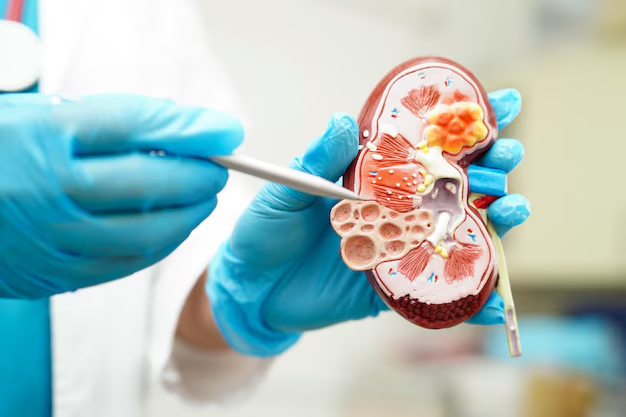
Our Stone Removal Procedures
1 – Percutaneous Nephrolithotripsy (PCNL)
PCNL is used for large kidney stones that cannot pass naturally. A small incision is made in the back, and the stone is broken into smaller pieces using advanced instruments. This method is highly effective for stones larger than 2 cm.
2 – Nephrolithotomy
This is a surgical method to directly remove complex or very large kidney stones. It is usually recommended when other techniques are not suitable. Our surgeons ensure maximum safety and complete stone clearance.
3 – Ureteroscopy (URS)
In this procedure, a thin telescope (ureteroscope) is passed through the urinary passage to locate and remove stones in the ureter. Stones are either removed directly or broken into smaller fragments using laser energy.
4 – Cystolithotripsy (CLT)
CLT is used to treat bladder stones. A small instrument is inserted through the urethra, and the stone is crushed into smaller pieces that can be removed safely.
5 – Perc-CLT
This advanced procedure is used for larger or complex bladder stones. A small incision is made in the lower abdomen to directly access and remove the stone.
6 – Laparoscopic Ureterolithotomy
This is a laparoscopic surgery in Ludhiana performed for large ureteric stones that cannot be treated with URS. Small cuts are made in the abdomen to remove the stone using keyhole instruments. Patients experience less pain, minimal scarring, and faster recovery.
Why Choose NG Urology and Kidney Specialty Hospital in Ludhiana?
Expert Team
Our doctors are among the best urologists and kidney specialists in Ludhiana.
Modern Technology
Advanced laparoscopic and endoscopic equipment for precise treatment.
Patient-Centered Care
We explain every procedure in simple words and guide patients step by step.
Convenient Location
Easily accessible for patients searching for a urologist near me in Ludhiana.
Proven Results
Thousands of successful procedures with high patient satisfaction.